"Lin's ordeal, detailed in Zoë Schiffer's new book, "Extremely Hardcore: Inside Elon Musk's Twitter," offers an unprecedented glimpse into the chaos that ensued after Musk's takeover in October 2022.
Microsoft and OpenAI have disclosed how nation-state-backed hacking groups from Russia, North Korea, Iran, and China are harnessing the power of advanced AI tools, such as ChatGPT, to fortify their cyber-attack strategies.
"Amazon founder Jeff Bezos is continuing his divestment from the e-commerce giant, recent regulatory filings indicating the sale of more than $4 billion in stock over the past week. This follows earlier reporting of Bezos' 50-million share sell-off plan to be completed by 2025, through Morgan Stanley as his brokerage firm.
"Elon Musk, the visionary behind SpaceX, has once again captured public imagination with his audacious blueprint for interplanetary colonization. Musk's latest pronouncements outline a staggering ambition: to transport one million humans to Mars, a goal he shared in a succinct response on the social media platform X, formerly known as Twitter.
Microsoft's experimental medical artificial-intelligence system diagnosed complex cases more accurately than generalist physicians in a peer-reviewed study, achieving 83.2% accuracy against doctors' 36.1%. The results strengthen the company's case for clinical testing, but do not establish how the technology would perform while treating actual patients.
Personal information linked to 3,615 people who used or attempted to join Trump Mobile has been published online by a cybercrime group, according to reporting that verified some records with affected individuals. The exposure appears to include people who never completed registration for the Trump-branded wireless service.
Nvidia CEO Jensen Huang pushed back against broad regulation of artificial intelligence, arguing that governments should police the products and services built with AI rather than regulate the underlying technology itself as policymakers confront growing calls for tighter controls on advanced systems.
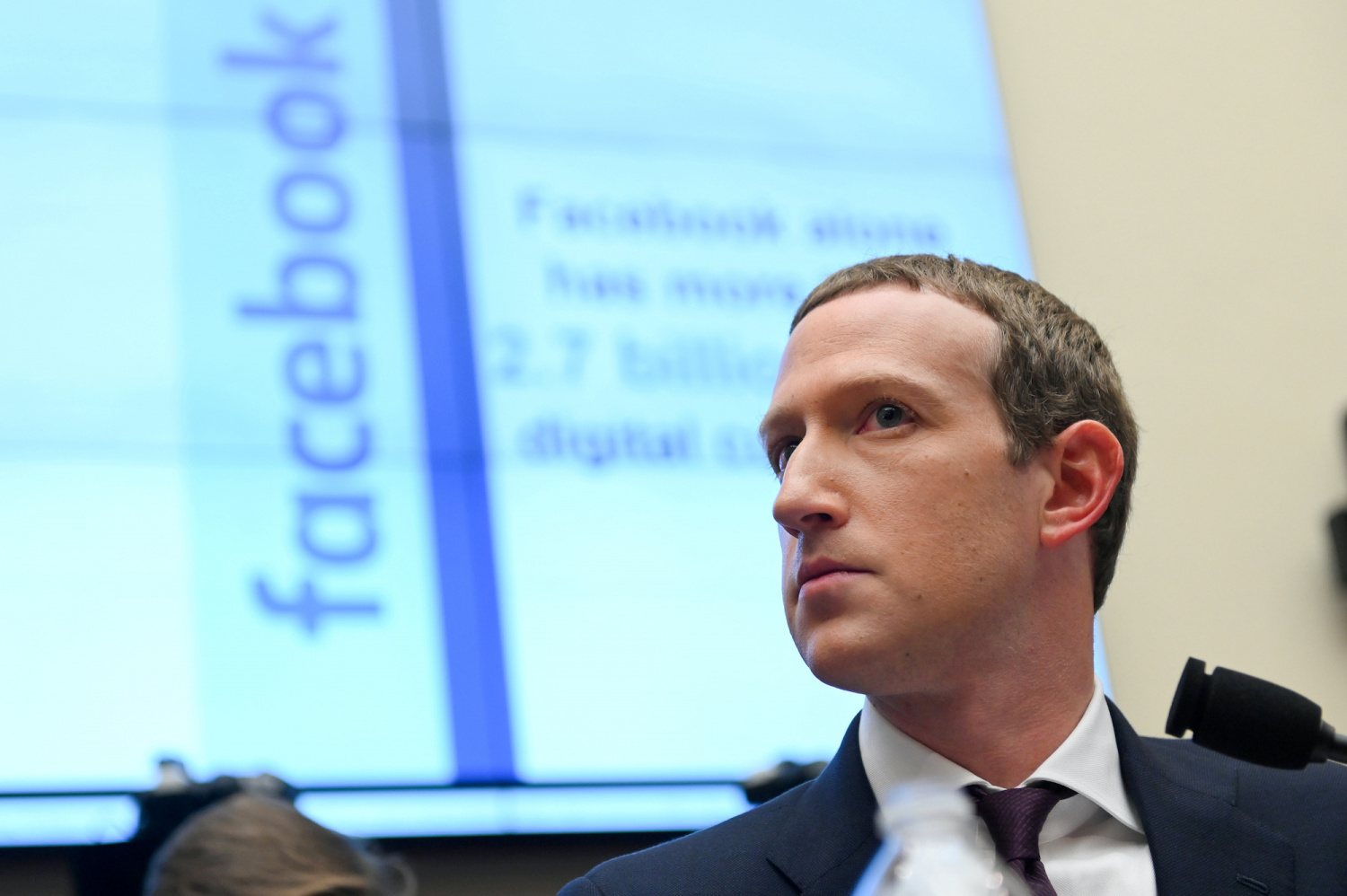
Meta CEO Mark Zuckerberg pushed back against calls for a coordinated slowdown in frontier artificial-intelligence development, arguing that AI companies already have powerful commercial and legal incentives to make their systems safe and aligned with users.
President Donald Trump rejected calls from leading U.S. artificial-intelligence executives to slow development of increasingly powerful models, singling out Anthropic CEO Dario Amodei and arguing that additional restrictions could jeopardize America's technological lead over China.
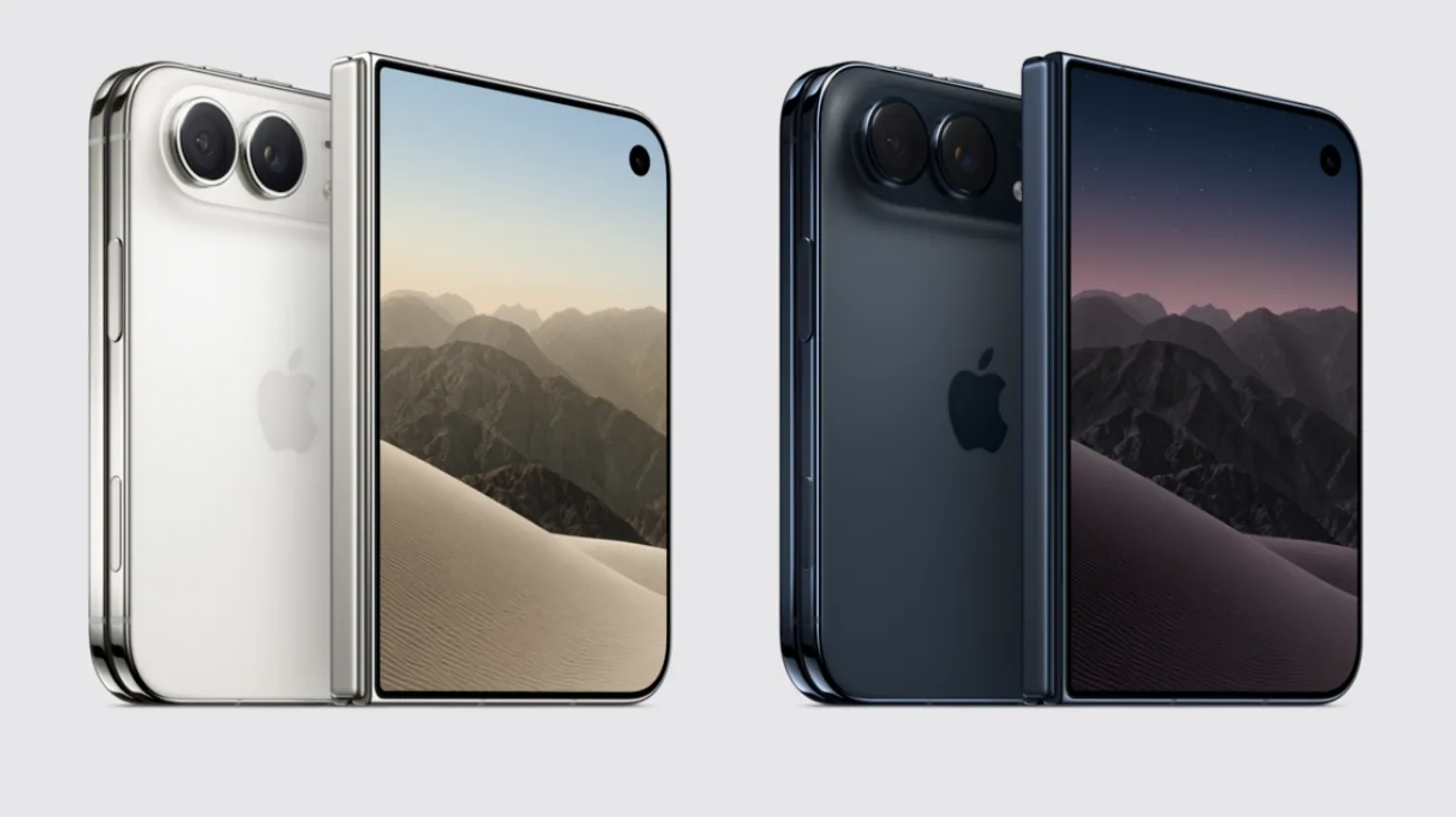
Apple unveiled its first foldable iPhone on Wednesday, introducing the $1,999 iPhone Duo alongside the iPhone 18 Pro and Pro Max in the first major product event led by newly installed Chief Executive John Ternus. The company also surprised developers and photographers by bringing variable-aperture cameras to both Pro models and introducing a new Reference Image system designed to authenticate photographs in an era of widespread AI manipulation.
A critical Oracle middleware vulnerability exploited by a China-linked threat actor in attacks spanning more than 100 countries has prompted the U.S. Cybersecurity and Infrastructure Security Agency to impose an emergency three-day remediation deadline on federal agencies. CISA added CVE-2026-21962 to its Known Exploited Vulnerabilities catalog on Aug. 24, requiring affected federal systems to be remediated by Aug. 27.
OpenAI has introduced an Apple Messages plugin that lets ChatGPT search iMessages, summarize conversations and send texts from a user's Mac, but the integration requires one of macOS's broadest privacy permissions, potentially giving the application access to protected data well beyond the Messages database.
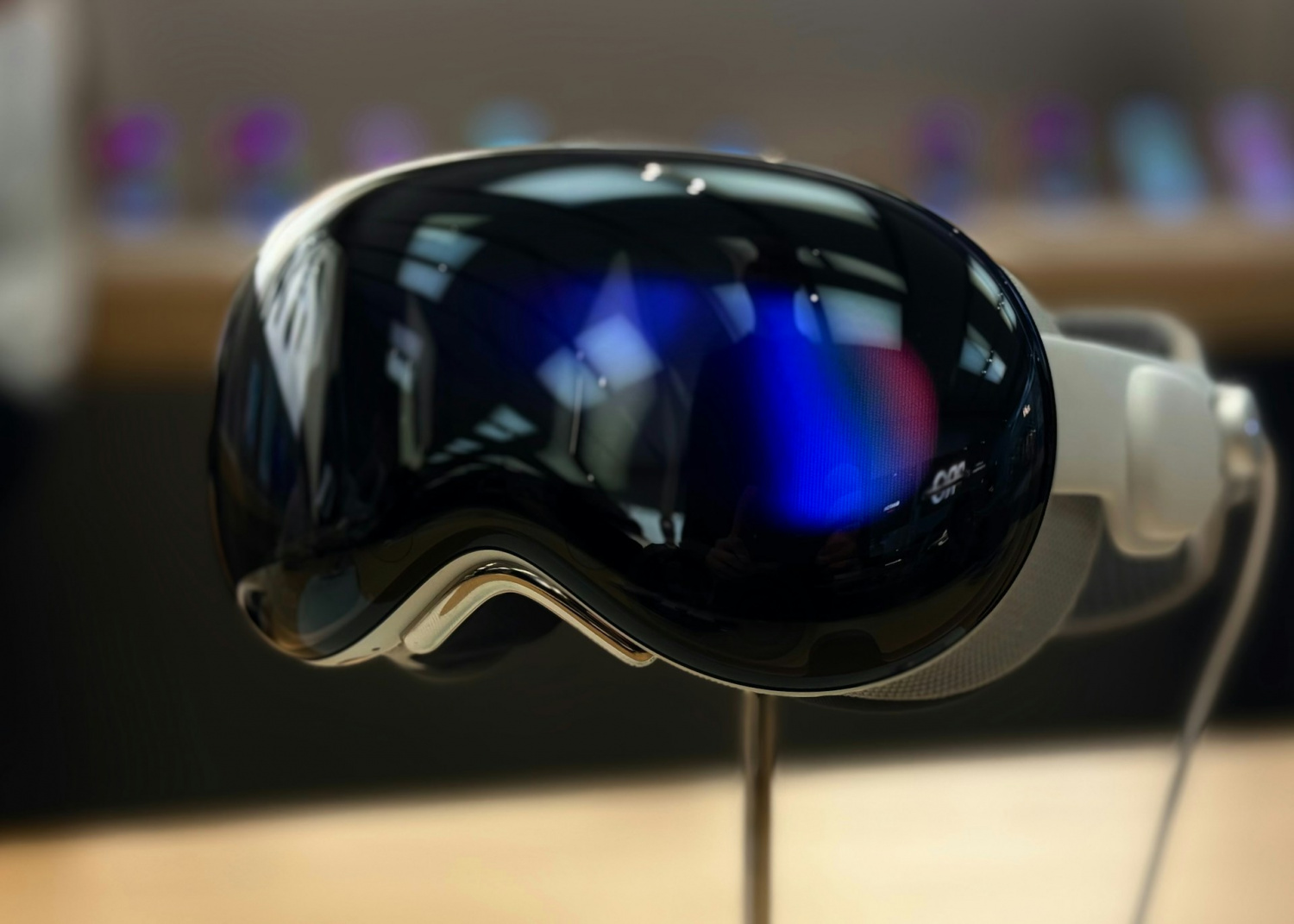
Apple has laid off at least 60 employees connected to its Vision organization, according to AppleInsider, the latest sign that the iPhone maker is scaling back its near-term ambitions for the Vision Pro headset while directing more resources toward generative artificial intelligence, Siri and smart glasses.
Apple could face a roughly 38% year-over-year increase in the bill of materials for the 256GB iPhone 18 Pro, according to TrendForce, as sharply higher memory prices reshape the economics of its flagship smartphone. The cost surge raises the odds of a retail price increase, but the research firm says Apple may absorb part of the pressure through lower gross margins rather than pass the entire increase on to consumers.